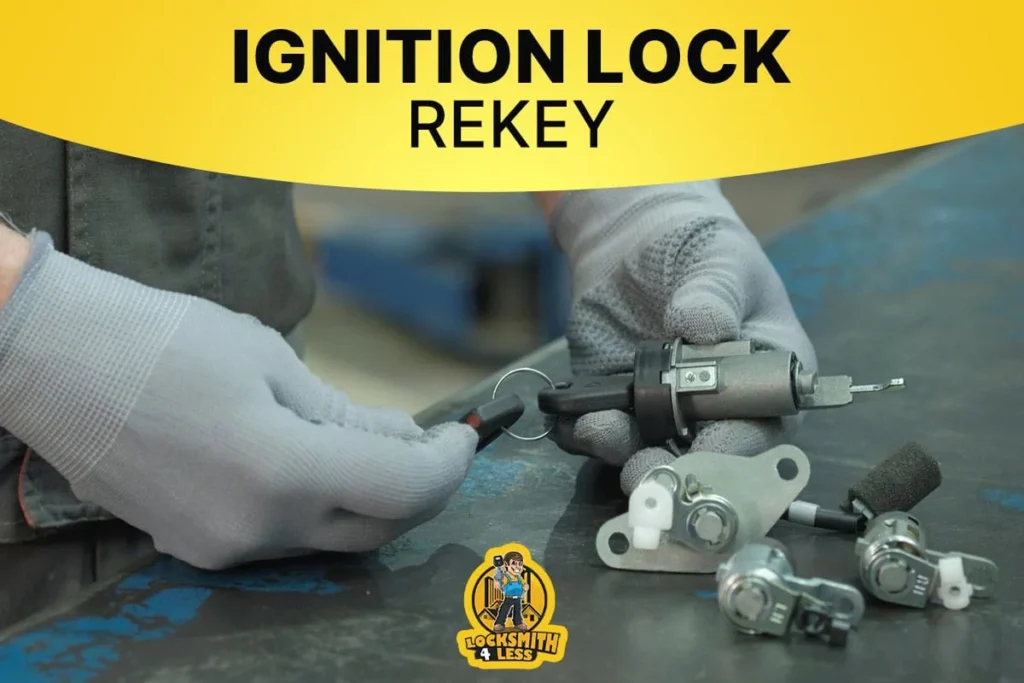
Ignition Lock Rekeying in Memphis, TN

When to Rekey Your Ignition
When Should You Rekey Your Ignition Lock?
Your keys were lost or stolen.
If someone else might have your car key, rekeying the ignition ensures that the missing key will no longer start the vehicle. This is often faster and less expensive than a full car key replacement with a new cylinder.
You bought a used vehicle.
There is no way to know how many copies of the key the previous owner made, or who they gave them to. Rekeying the ignition is a straightforward way to make sure you are the only person with a working key. The National Insurance Crime Bureau (NICB) consistently identifies key-based access as a factor in vehicle theft, which is one more reason to take this step with a secondhand purchase.
You lent your key to someone and want to revoke access.
A valet, a mechanic, an ex, a former employee. If someone had a copy of your key and you want to make sure it no longer works, rekeying the ignition takes care of that without replacing any hardware.
Your key is worn but the cylinder is fine.
If your key has been getting harder to turn because the key itself is degraded, rekeying the cylinder to accept a fresh, precisely cut key can restore smooth operation without the cost of a full replacement.
How Ignition Lock Rekeying Works
What Happens During an Ignition Lock Rekey
1. The cylinder is removed from the ignition housing.
The steering column trim is carefully opened and the ignition lock cylinder is pulled out. This does not damage the column or the housing around it.
2. The internal tumblers are reconfigured.
The small pins or wafers inside the cylinder that match the grooves on your key are swapped out and repositioned. Once this is done, the old key pattern no longer aligns with the cylinder, which means any previous keys are now useless.
3. A new key is cut to match.
We cut a new key on-site that matches the updated tumbler arrangement. If your vehicle uses a transponder chip key or a key fob, we program the electronics at the same time so the key is fully functional.
4. The cylinder is reinstalled and tested.
The rekeyed cylinder goes back into the steering column, and we test the new key to confirm that it starts the engine, turns smoothly, and works with the steering lock. We also verify that the old key no longer operates the ignition.
Rekeying vs. Repair vs. Replacement
How Rekeying Compares to Repair and Replacement
Rekeying changes which key works with the cylinder. The cylinder stays in place. Choose this when the hardware is fine but you need to change key access.
Repair fixes a mechanical issue with the existing cylinder, like a stuck key, a stiff turn, or a worn internal component. The cylinder stays in place and continues to work with your current key.
Replacement removes the old cylinder entirely and installs a new one. Choose this when the cylinder is too damaged or corroded to rekey or repair.
Not sure which one fits your situation? Call (901) 206-2020 and describe what is happening. Our technician will assess the ignition on-site and recommend the most cost-effective solution.
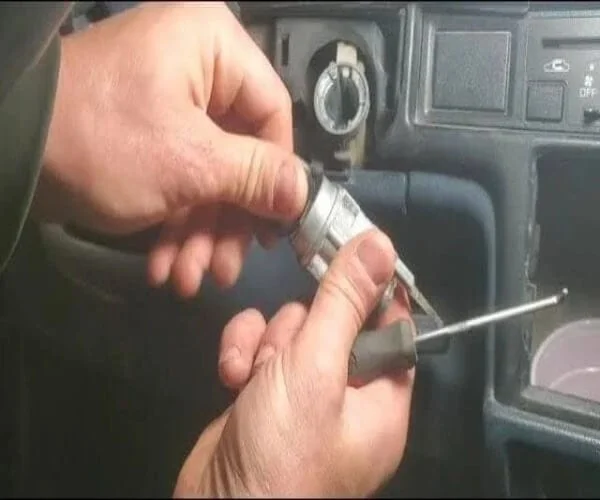
Matching Your Door Locks
Should You Rekey Your Door Locks at the Same Time?
FAQ
Ignition Lock Rekeying Questions
How long does an ignition rekey take?
Is rekeying cheaper than replacing the ignition?
Yes. Rekeying reconfigures the existing cylinder, so you are not paying for a new part. It is the most affordable option when the cylinder itself is in good shape.
Will my old key still work after rekeying?
Can you rekey my ignition to match my door locks?
Do you handle this on-site?